Why Oil Change Quality Matters More Than You Think
Most drivers view oil changes as a simple, routine task. It is often treated as something to check off a list rather than a critical service that directly affects engine life, performance, and long-term reliability. The reality is that not all oil changes are equal, and the differences between them can have lasting consequences.
In our shop in Orrville, we regularly see the results of rushed or incomplete oil services. Vehicles that appear to be well maintained on the surface often show signs of premature wear underneath. These issues rarely happen overnight. They develop slowly over time when small details are overlooked.
If you are searching for a dependable oil change in Orrville, OH, understanding what separates a high-quality service from a quick visit can help you avoid unnecessary repairs and keep your vehicle running the way it should.
What a “Quick Oil Change” Really Means
Quick oil change services are built around efficiency. While convenience has its place, it often comes at the expense of thoroughness. The primary focus is to move vehicles through quickly, which limits the opportunity for a complete inspection.
When time is limited, important warning signs can easily be missed. In many cases, early indicators such as small leaks, worn components, or declining fluid quality are not identified. These minor issues, when left unchecked, often develop into more significant and expensive problems.
Every engine is designed with specific requirements, yet many quick-service models rely on standardized processes. This approach can lead to the use of incorrect oil types, improper viscosity levels, or lower-quality filters. Over time, these inconsistencies affect how well your engine is protected. We have seen vehicles in our Orrville shop experience unnecessary wear simply because the wrong oil was used repeatedly during routine services.
An oil change should serve as a consistent checkpoint for your vehicle’s health. When that opportunity is reduced to a basic fluid swap, valuable insight is lost. Problems that could have been addressed early remain hidden until they become more noticeable and more costly.
What a Quality Oil Change Should Include
At a professional repair facility, an oil change is approached as more than a routine service. It is an opportunity to evaluate the vehicle as a whole.
A thorough inspection includes reviewing fluid conditions, checking for leaks, evaluating filters, and identifying early signs of wear. This level of attention allows technicians to detect patterns and changes that may not yet be obvious to the driver. This approach is based on experience. After decades of working on vehicles, patterns begin to stand out, and small details provide meaningful clues about what may be developing beneath the surface.
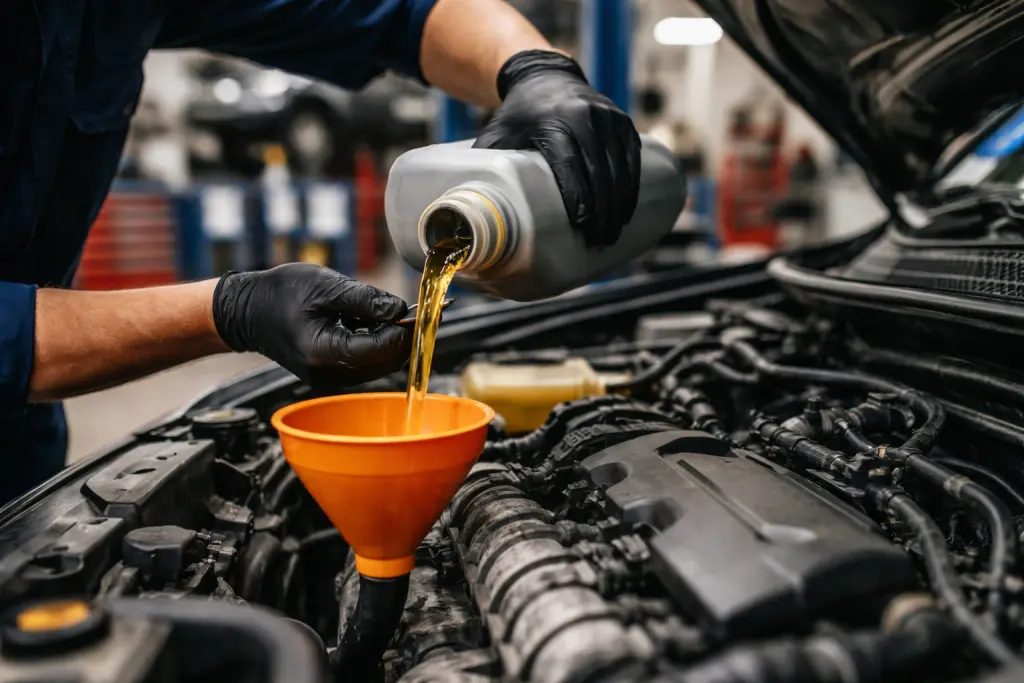
Each vehicle manufacturer specifies the type of oil and filtration required for optimal performance. Using the correct materials is essential for maintaining engine protection, fuel efficiency, and long-term durability. As a NAPA Gold Certified Auto Care Center, we follow strict standards when selecting parts and fluids, ensuring that each oil change supports the long-term health of the engine.
A quality oil change also involves evaluating what the condition of that oil reveals about the engine. Technicians consider factors such as oil color, consistency, and level, looking for patterns that may indicate excessive consumption, contamination, or heat-related stress. These observations help identify potential issues before they develop into major repairs.
Why This Matters for Drivers in Orrville, Ohio
Driving conditions in Orrville and surrounding areas often include short trips, varying temperatures, and frequent stop-and-go travel. These factors can accelerate oil breakdown and reduce its effectiveness over time. Short trips, in particular, prevent the engine from reaching optimal operating temperature, which can lead to moisture buildup and faster oil degradation.
One of the most common patterns we see is delayed action. A vehicle may continue to operate without obvious issues, leading drivers to assume everything is fine. However, internal wear can progress quietly. Over time, neglected oil quality can lead to sludge buildup, reduced lubrication, and increased friction within the engine, significantly increasing the likelihood of costly repairs.
If issues go unchecked, they can extend beyond routine maintenance and require more advanced services such as brake repair or diagnostics, depending on how the vehicle is affected.
What We See Every Week That Drivers Miss
In our shop, we routinely see engine issues that started as minor maintenance oversights. One of the most common patterns involves oil that was changed regularly, but not properly. Over time, this leads to internal engine wear that most drivers never see until performance drops or warning signs appear.
We frequently find sludge buildup restricting oil flow, which can lead to oil starvation in critical engine components. In more advanced cases, this can result in timing chain wear, camshaft damage, or excessive internal friction that significantly shortens engine life.
What makes this especially important is that these problems rarely begin as major failures. They start small and develop gradually, often going unnoticed until repair costs increase significantly.
Real-World Scenarios from the Shop
It is not uncommon for a customer to come in for a standard oil change with no immediate concerns. During inspection, we may identify early signs of a leak or abnormal wear. Addressing these issues early often prevents more extensive repairs later.
We also see vehicles that have recently received service elsewhere but were not properly maintained. Issues such as incorrect oil levels, improper installation, or low-quality components may not cause immediate problems, but they create long-term risk. These situations highlight the importance of consistency and attention to detail in routine maintenance.
For additional insight into proper vehicle maintenance standards, resources like NHTSA vehicle maintenance guidelines provide helpful baseline recommendations.
The Cost of Cutting Corners on Oil Changes
One of the biggest misconceptions drivers have is that all oil changes deliver the same level of protection. In reality, the difference between a low-quality service and a professional oil change can have a direct financial impact.
We have seen situations where a low-cost oil change leads to long-term engine damage that results in repairs costing thousands of dollars. What may begin as a simple maintenance decision can escalate into issues involving internal engine components, reduced performance, and decreased reliability.
Investing in a proper oil change service is one of the most cost-effective ways to protect your vehicle. Preventative maintenance is always less expensive than reactive repairs, especially when it comes to engine health.
Professional Recommendations to Protect Your Engine
Choosing where to have your oil changed should involve more than convenience alone. It is important to understand what is included in the service and whether it meets the needs of your specific vehicle. Drivers should pay close attention to how their vehicle performs after service. Subtle changes in sound, responsiveness, or efficiency can indicate underlying issues, and addressing these concerns early helps prevent more serious damage.
Working with an experienced, trusted repair facility provides consistency and peace of mind. Over time, this relationship allows technicians to better understand your vehicle and identify changes more effectively.
Frequently Asked Questions
How often oil should be changed depends on the vehicle, driving habits, and oil type. While general guidelines exist, local driving conditions and usage patterns should always be considered.
Synthetic oil typically provides better protection under extreme temperatures and maintains its properties longer than conventional oil. For many modern engines, it is the recommended option.
Improper oil service can cause long-term damage. Using the wrong oil, skipping inspections, or failing to identify early issues can all contribute to premature engine wear and reduced reliability over time.
Make the Right Choice for Long-Term Engine Health
A quick oil change may seem convenient in the moment, but the long-term impact of that decision can be significant. Choosing a service that prioritizes quality, accuracy, and inspection helps protect your investment and ensures your vehicle remains reliable.
At our family-owned shop in Orrville, we have been serving the community since 1977. As a NAPA Auto Care Center and AAA Approved Repair Facility, we are committed to providing thorough, dependable service backed by experience.
To schedule your next service, visit our contact page or call us directly at (330) 683-6421. Taking a proactive approach today can help you avoid costly repairs in the future.

Owen Stoller is a third-generation member of the Stoller family and serves as a Service Advisor at RNS Service in Orrville, Ohio. Carrying on a family tradition that began in 1977, Owen is committed to helping customers make informed decisions about their vehicles through honest communication, technical expertise, and a genuine commitment to their safety.
With five years of professional automotive experience, Owen has earned Master ASE Certification, including the prestigious ASE C1 Service Consultant certification. His combination of technical knowledge and customer service expertise allows him to bridge the gap between the repair shop and the vehicle owner, ensuring every customer understands their vehicle's needs and can make confident maintenance and repair decisions.
Owen earned his bachelor's degree in Supply Chain Management from The University of Akron, bringing a strong foundation in operations, organization, and problem-solving to the family business. He is passionate about continuous learning and regularly studies leadership to better serve both the RNS Service team and the customers who rely on them.
As the grandson of RNS Service founder Bob Stoller and the son of Jeff Stoller, Owen is proud to continue the values that have defined the business for nearly 50 years: integrity, quality workmanship, and treating every customer like family. He believes that auto repair is about more than fixing vehicles—it's about building lasting relationships based on trust and helping keep families safe on the road.
Outside the shop, Owen has been married to his wife, Carissa, for five years, and together they are raising their three children, Tucker, Wesley, and their youngest. Family life keeps him busy, whether he's hobby farming, making maple syrup, dreaming up new projects and ideas, or simply spending time with his children. Those same values of hard work, stewardship, and community continue to shape the way he serves customers every day at RNS Service.