

With vehicle repair costs jumping 23% in the last year, it is more important than ever to regularly get an oil change. You can avoid expensive auto repair costs by ensuring your vehicle gets the manufacturer’s recommended routine maintenance. While we all know the general guidelines for oil change frequency, your vehicle’s needs can vary based on oil quality, driving conditions, and driving habits.
Look for these signs that your vehicle needs an oil change.
1. Dash Light Is On
Depending on the age and make of your vehicle, you could have a check engine light, oil change light, or digital oil quality display. Whatever method your vehicle uses, if it signals, it’s time to change your oil. Head to your local vehicle maintenance shop for engine maintenance.
If your vehicle has an oil life indicator, it will display a percentage between 0 and 100. Do not wait until it gets down to zero. Instead, aim to change your oil between 15 and 40 percent.
2. Your Oil Is Dirty
Manually check your oil by checking the quality of your oil on the dipstick. The oil filter works to clean the oil as you drive. However, the oil still gets dirty over time.
When you pull the dipstick out, you can see the oil level and color. Fresh oil is clear and golden in color. Old oil is opaque, dark brown to black, and thick.
3. Strange Sounds
If you hear a strange or unusual sound, take your vehicle to a reliable mechanic shop. New sounds are not a sign of normal wear and tear. They are signs that you are overdue for an oil change or there is something else wrong.
4. Poor Fuel Efficiency
In addition to having worn-out tires, driving with old oil negatively impacts your fuel efficiency. The U.S. Department of Energy recommends driving with warm oil, which makes it more viscous. This is because oil gets thinner and better coats the metal components when it’s warm.
However, old oil doesn’t get as thin or coat as well. So, even though the oil is warmed up, it still isn’t coating well. This puts more stress on the engine, making it work harder. This reduces your fuel economy.
5. Oil Smell or Smoke
You should not see smoke coming from your exhaust. If you don’t see the smoke while running, you may also see black soot buildup on your vehicle around the exhaust. This is a sign that you have old and dirty oil.
In addition, you shouldn’t smell burning oil. This typically means your engine is overheating. It happens when you ignore all of the other signs, and your oil is either incredibly dirty or gone.
Ignoring the smoke or smell means you are headed for engine failure.
Schedule an Oil Change at an Auto Repair Shop
Bringing your vehicle to an auto repair mechanic will help your vehicle run in top condition. Not only can they change your oil, but they can perform other routine vehicle maintenance tasks. From brake repair to tires and diagnostics, RNS Service is here for you as Orrville’s trusted auto repair service since 1977.
Schedule an appointment and enjoy a better driving vehicle with fresh oil in your vehicle.
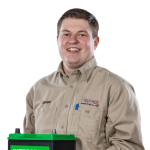
Owen Stoller is a third-generation member of the Stoller family and serves as a Service Advisor at RNS Service in Orrville, Ohio. Carrying on a family tradition that began in 1977, Owen is committed to helping customers make informed decisions about their vehicles through honest communication, technical expertise, and a genuine commitment to their safety.
With five years of professional automotive experience, Owen has earned Master ASE Certification, including the prestigious ASE C1 Service Consultant certification. His combination of technical knowledge and customer service expertise allows him to bridge the gap between the repair shop and the vehicle owner, ensuring every customer understands their vehicle's needs and can make confident maintenance and repair decisions.
Owen earned his bachelor's degree in Supply Chain Management from The University of Akron, bringing a strong foundation in operations, organization, and problem-solving to the family business. He is passionate about continuous learning and regularly studies leadership to better serve both the RNS Service team and the customers who rely on them.
As the grandson of RNS Service founder Bob Stoller and the son of Jeff Stoller, Owen is proud to continue the values that have defined the business for nearly 50 years: integrity, quality workmanship, and treating every customer like family. He believes that auto repair is about more than fixing vehicles—it's about building lasting relationships based on trust and helping keep families safe on the road.
Outside the shop, Owen has been married to his wife, Carissa, for five years, and together they are raising their three children, Tucker, Wesley, and their youngest. Family life keeps him busy, whether he's hobby farming, making maple syrup, dreaming up new projects and ideas, or simply spending time with his children. Those same values of hard work, stewardship, and community continue to shape the way he serves customers every day at RNS Service.